March, 17, 2026
At a September 2025 listening session convened with Speaker Craig Coughlin, farmers and food system leaders, the New Jersey Office of the Food Security Advocate (OFSA) was asked to keep an important conversation going: why is it still so difficult to move fresh food grown in New Jersey to all of the communities that want it?
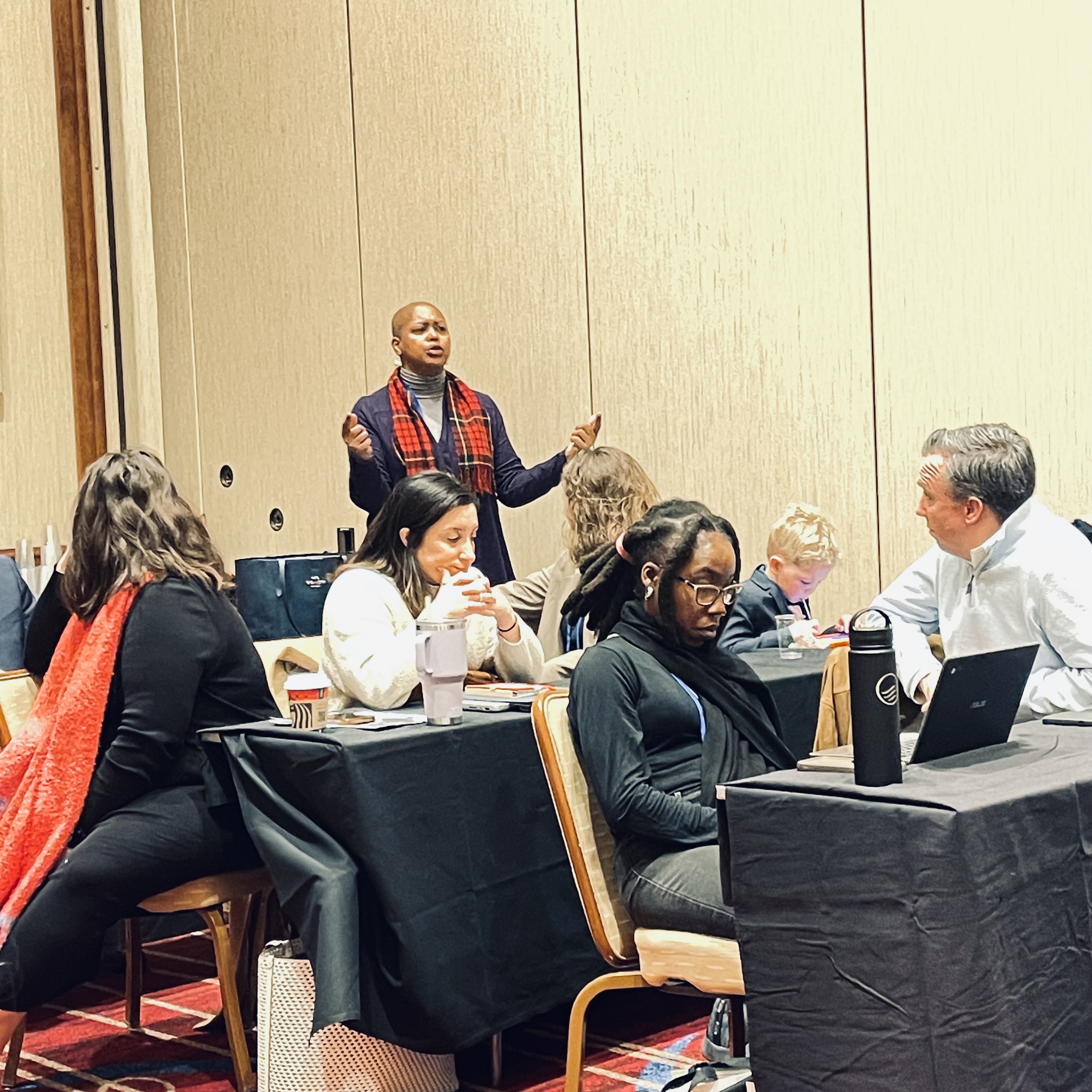
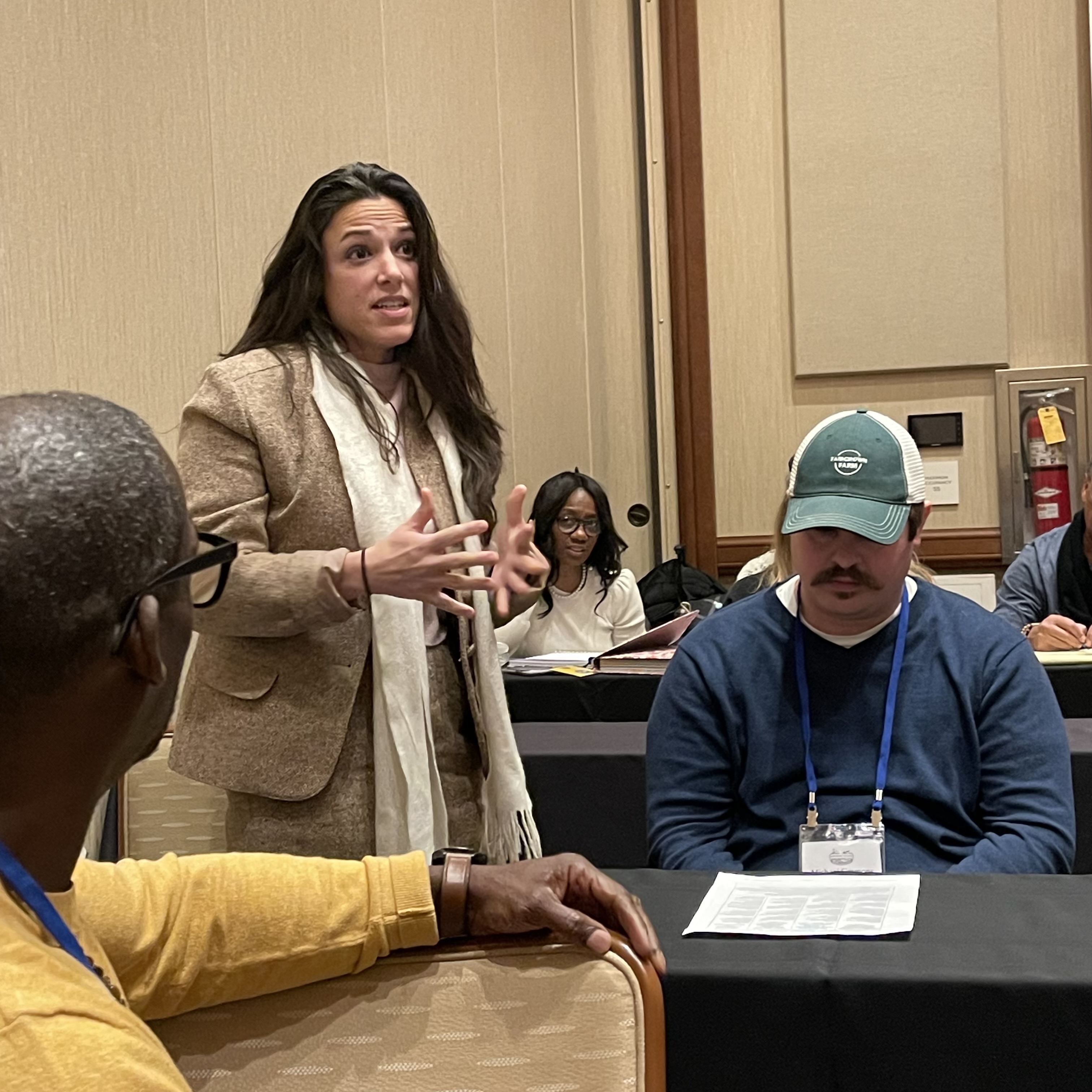
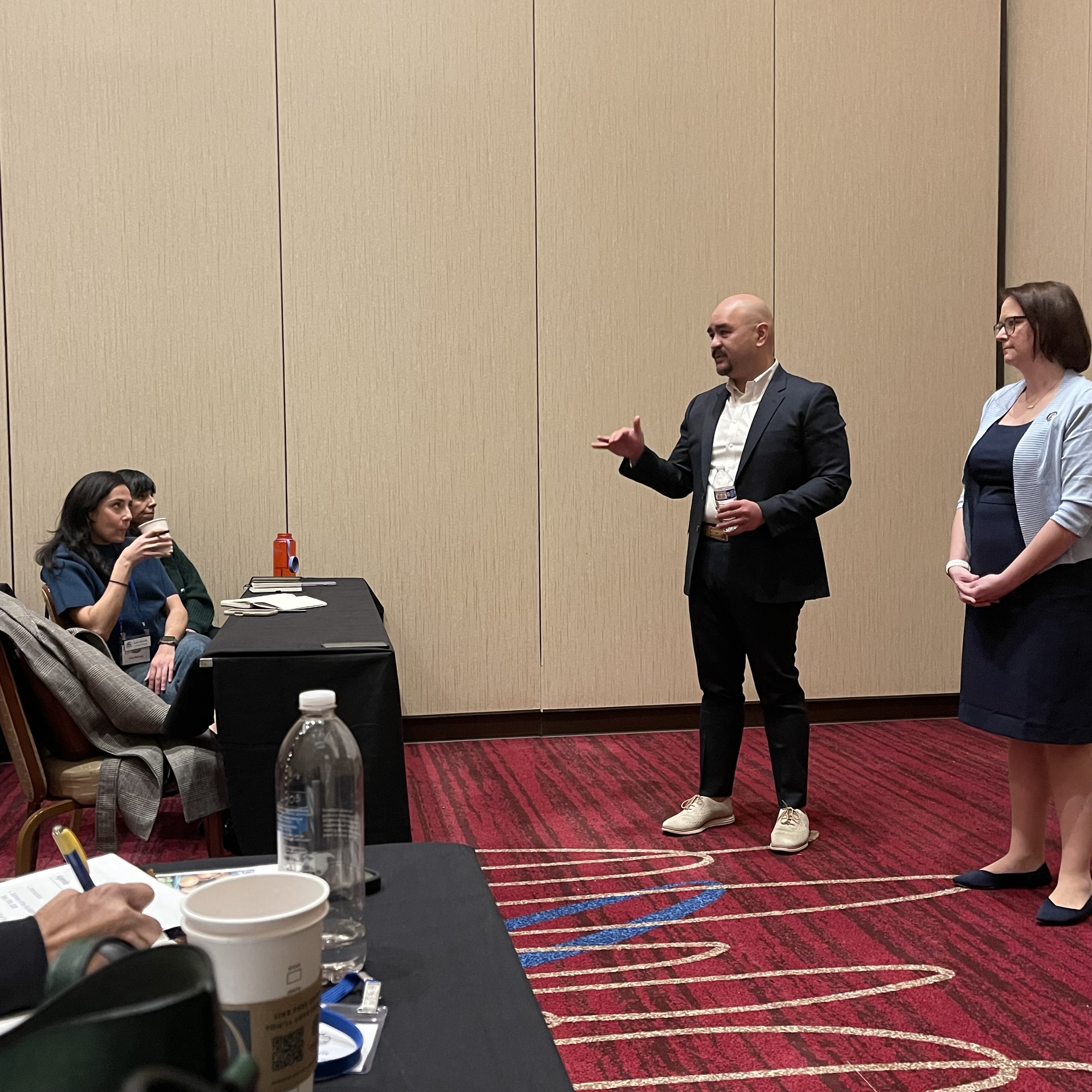
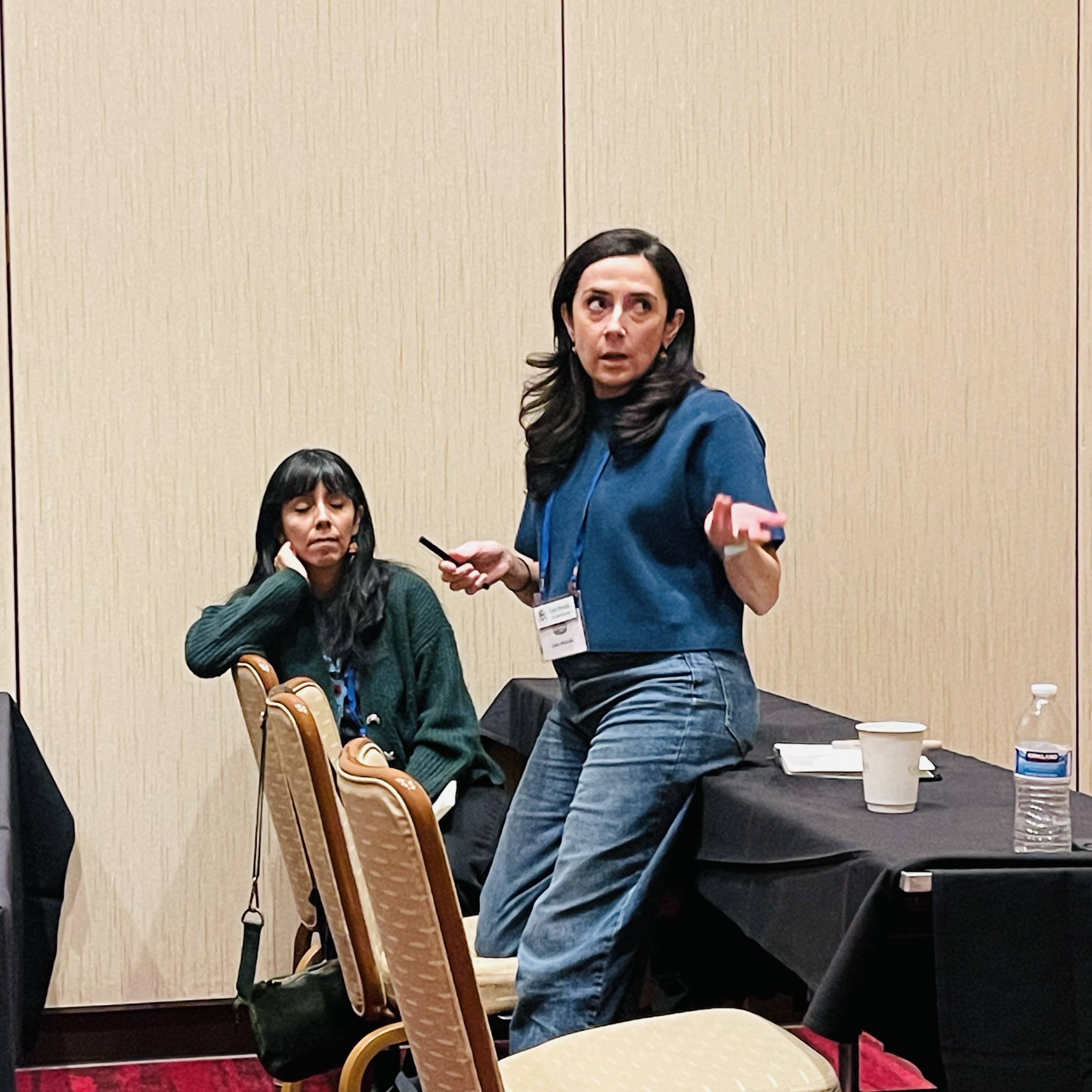
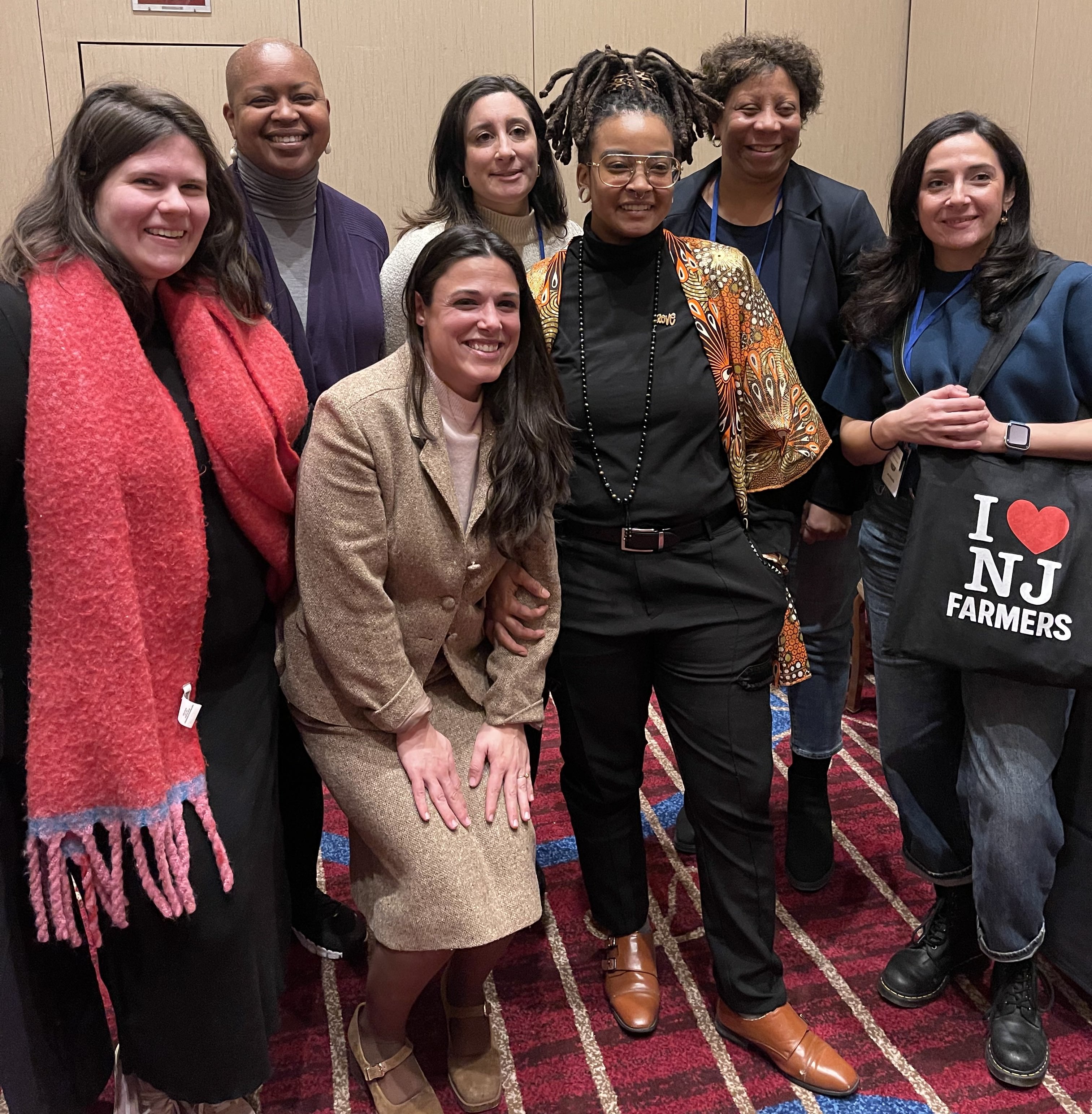
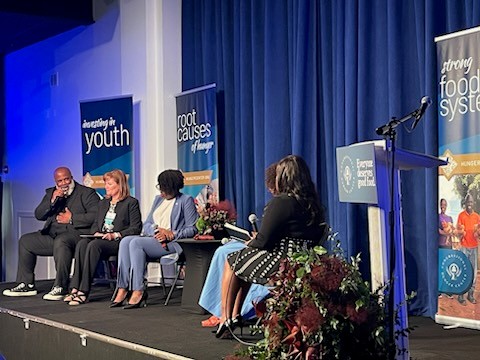
In keeping with that commitment, OFSA facilitated a breakout conversation at the 2026 New Jersey State Agricultural Convention and Tradeshow in January, bringing together farming operations of all sizes — including small, mid-size, large, and urban, peri-urban and rural growers — alongside distributors, policymakers, and food system advocates.
What emerged was a shared understanding:
New Jersey is striving to create, pilot and support innovative infrastructure ideas that support our local food production.
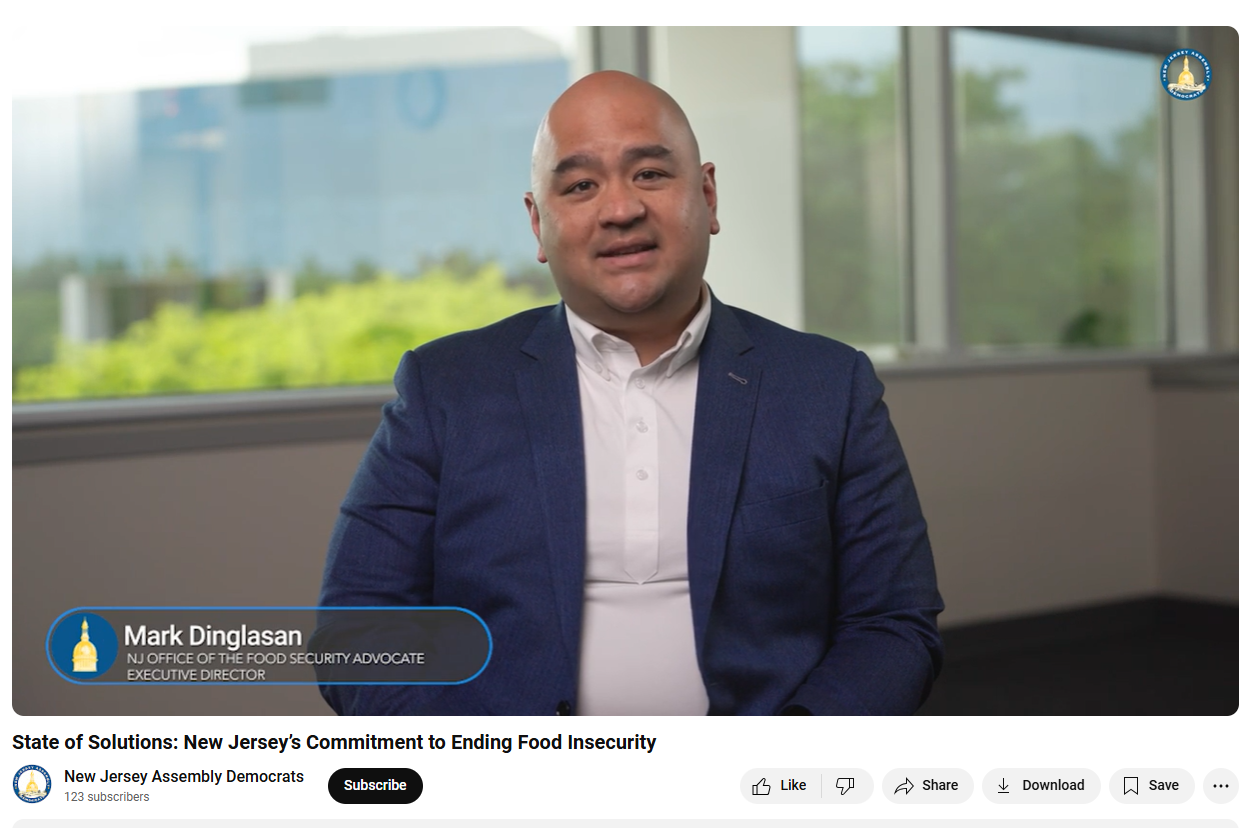
OFSA Executive Director Mark Dinglasan shared that the session was intentionally designed to engage farmers whose perspectives have not always been reflected in statewide agricultural conversations — those who are Black, Indigenous, and people of color; women-owned operations; LGBTQIA+ farmers; and younger and emerging producers in urban and rural communities alike.
Across the room, inclusion was framed as a strength. Participants underscored how lived experience, innovation, and community-rooted knowledge strengthen conversations about infrastructure, market access, and long-term farm viability.
Over 90 minutes, nearly 40 participants spoke candidly about what is and is not working, and areas where OFSA can support them. Despite varied roles and perspectives, there was strong alignment around the need for coordinated investment, policy alignment, and market conditions that recognize all of our farmers as essential economic actors and partners in building a resilient food system for everyone in our state.
Where Progress Can Be Made
The conversation reflected growing alignment, increasing political will, and the presence of pilot models already demonstrating how infrastructure and coordination can work together.
Areas identified for continued focus included:
- Regional aggregation and cold storage
- Long-term institutional purchasing agreements
- Policy frameworks that better support urban and underrepresented growers
- Tax incentives and liability protections that support local sales and food donation
- Food systems education that builds demand and familiarity over time
Logistics — Not Food — Is the Bottleneck
Farmers and distributors consistently pointed to transportation, equipment, storage, and coordination as key pressure points between farms and local tables.
Smaller and urban operations in particular, described how shared infrastructure and aggregation models could reduce individual burden while helping expand market reach. The role of such aggregation systems could collect, store, and combine products from multiple farms, enabling consistent food deliveries to schools, hospitals, food banks, and other buyers at scale.
As one participant put it, “The food is there.” The challenge is that existing supply chains often default to what is easiest for the bottom line, not what is local or equitable for communities.
Farmers in New Jersey Face Different Barriers
The breakout group spoke candidly about structural conditions that shape their participation in New Jersey’s food ecosystem. In their experience, zoning policies, access to land and capital, workforce constraints, and definitions of what qualifies as “agriculture” are all areas where updated frameworks could better reflect the realities of modern farming in the state.
For some of the farmers in attendance, logistics are inseparable from cultural recognition and equity. One grower described their work as not only food production, but a form of community health intervention — regenerating soil, improving air quality, and creating spaces of cultural relevance where food, education, and healing intersect.
Designing systems that reflect these additional realities was seen as essential to ensuring that improvements in aggregation and distribution benefit all growers.
Farmers Need Markets, Not Moments
Short-term grants and emergency purchasing programs were acknowledged as helpful, but unreliable for long-term planning. Farmers emphasized that viable businesses depend on consistent markets that allow for reliable crop planning, staffing, and investment over time.
One grower shared how entering the WIC Farmers’ Market program increased demand for their produce, but without access to wash-and-pack space, storage, staffing, or mentorship on scaling production, the added opportunity quickly became unsustainable. This experience highlighted the importance of pairing market access with technical assistance, infrastructure, and workforce support.
Meanwhile, schools, hospitals, food banks, and other institutions were identified as promising partners for stable purchasing relationships, particularly given that a significant share of institutional food procurement currently occurs outside the state. Participants agreed that predictable demand and fair pricing would strengthen both farm viability and local food access.
As another grower noted, “It’s a luxury to be able to go to a market.” In response, they began bringing food directly into communities through mobile and pop-up markets, recognizing how critical transportation, work schedules, and convenience are in contrast to supply.
Recognizing Farmers as Businesses, Not Nonprofits
A consistent theme throughout the session was the need to align food security strategies with economic reality. Farmers carry real costs — labor, distribution, storage, and compliance — and most emphasized opportunities to align food security goals with business realities through incentives, inclusive pricing structures, and institutional partnerships.
Several growers also discussed the interest in mentorship and technical assistance for farmers moving beyond early-stage operations. While introductory resources exist, additional intermediate-level support for scaling operations, managing pests, improving soil health, or entering institutional markets is integral to meeting both business goals and community needs.
Food Must Be Familiar and Relevant
Demand for fresh food was closely linked to familiarity and cultural relevance. Participants shared that food can go unused not because it lacks value, but because people may not recognize it or know how to prepare it. At the same time, many small and urban farms are already growing culturally meaningful foods that reflect the diversity of New Jersey’s communities. Strengthening connections between these crops and appropriate buyers is a way to reduce waste, build demand, and deepen community connections.
Schools were highlighted as places where food literacy, culturally relevant meals, and local procurement, can reinforce one another and strengthen existing efforts while educating and engaging our younger New Jerseyans.
Collaboration and Coordination Matter
An out-of-state dairy producer and ally to New Jersey farmers reflected on the breadth of strong work already happening across sectors, noting the value of better connecting efforts that would otherwise take place in a vacuum. The conversation reinforced the importance of frequent and intentional collaboration and coordination among farmers, educators, advocates, and policymakers.
Participants described flexible funding as a practical tool that allows farmers to respond to immediate operational needs, while also discussing how value-added production and shared processing spaces can support long-term farm viability and ease common logistics challenges. Food security in New Jersey is inextricably linked to how well the state supports its farmers and food businesses. As OFSA continues to engage farmers, distributors, and food systems leaders, these insights will help guide coordinated efforts to strengthen the systems that move food from where it is grown to where it is needed — equitably, sustainably, and at scale.
Looking Ahead
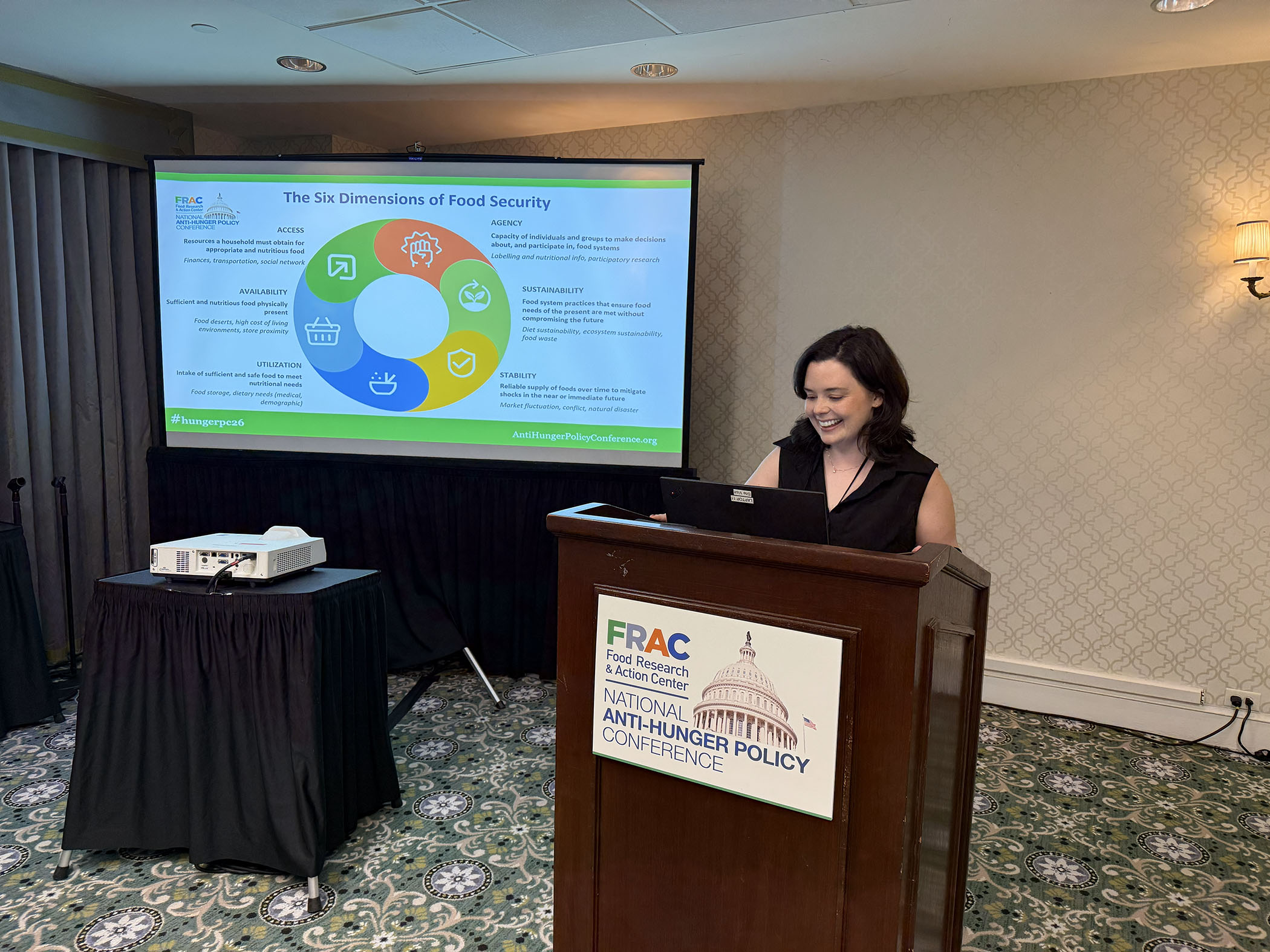
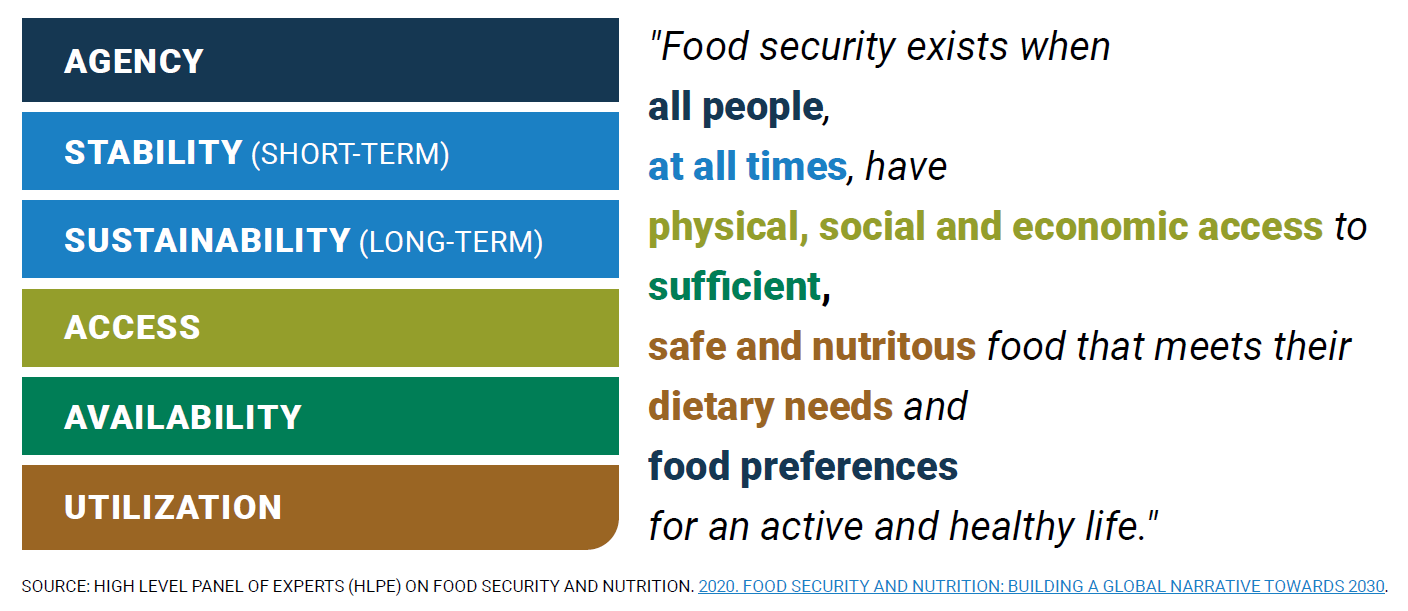
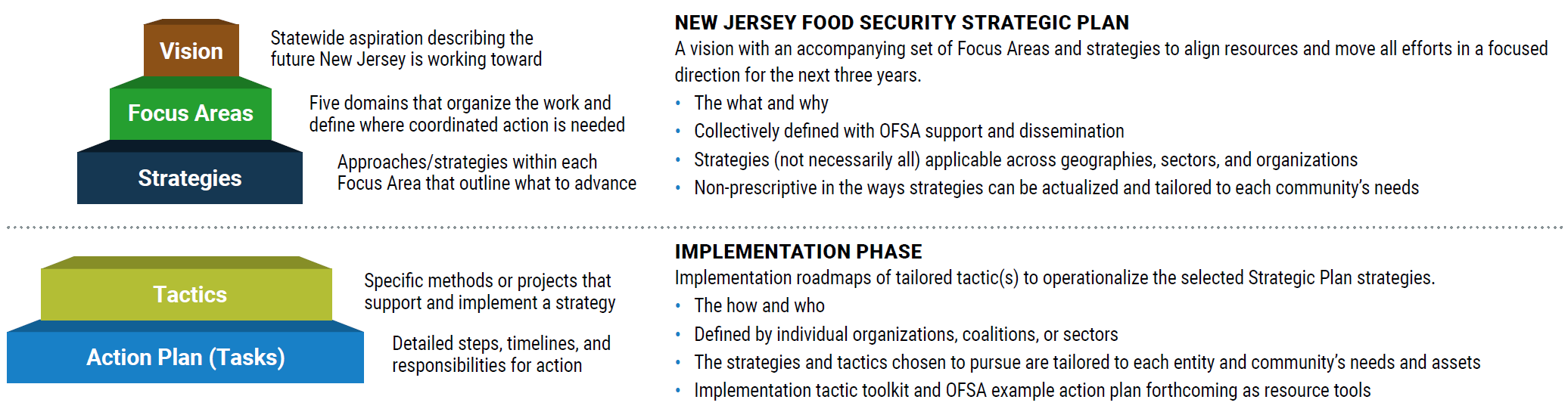
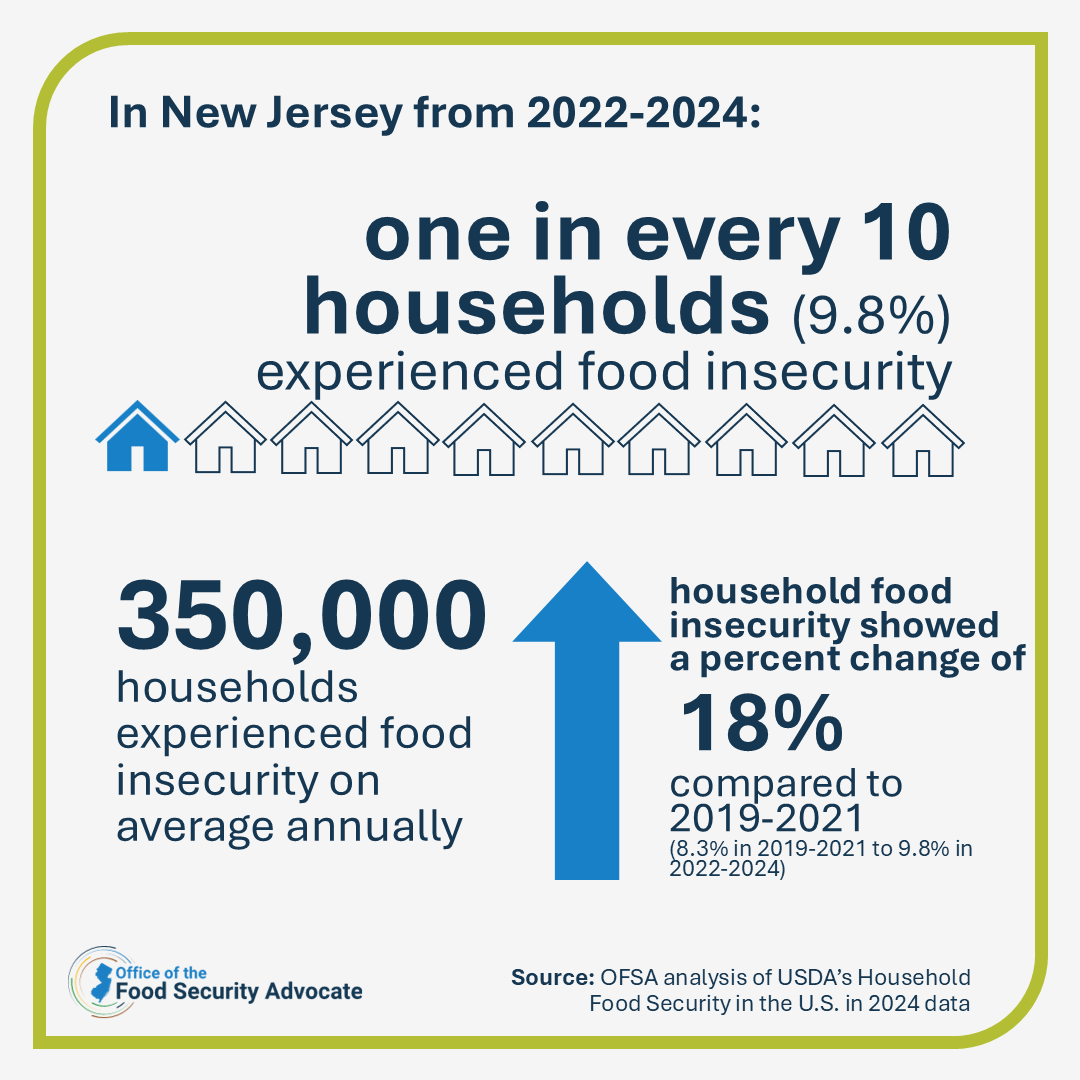
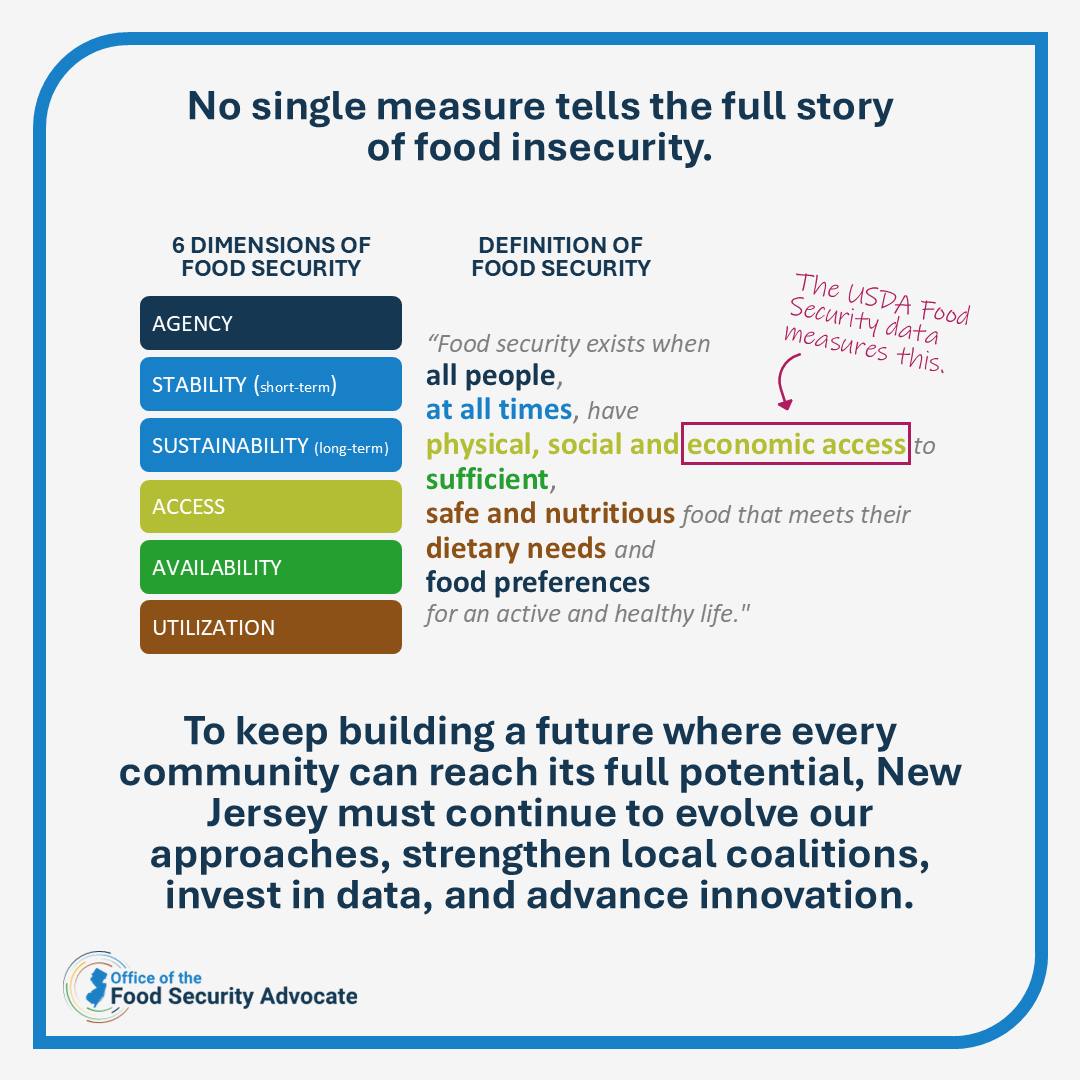
Reflecting the themes of the breakout session and multiple conversations with the agricultural sector over the past three years, the New Jersey Food Security Strategic Plan names the expansion of community-based infrastructure and creation of market channels for enhanced and continual food access, utilization and availability as areas of focus for the state. As a living framework offering a shared direction for strengthening food security work across policies, programs, funding, data, and partnerships, the Strategic Plan lays out how emphasizing community-led solutions that strengthen the systems that move nourishing food from producers to communities, and ensure producers receive fair, sustainable prices for their products, can advance the six dimensions of food security. OFSA is optimistic that organizations, agencies, counties, municipalities, healthcare, philanthropy and farmers will continue to be strong adopters of New Jersey’s food security goals and the Strategic Plan itself.
 Official Site of The State of New Jersey








_ Summer EBT Tabling.jpg)