Official Site of The State of New Jersey
National Safety Month -- Using cannabis safely
by Timothy Pierce
June is National Safety Month and at the NJ-CRC, cannabis safety is always a hot topic. With just a few days left to go in the month, here are some reminders for protecting yourself and others from possible adverse reactions caused by cannabis consumption.
Safe Storage
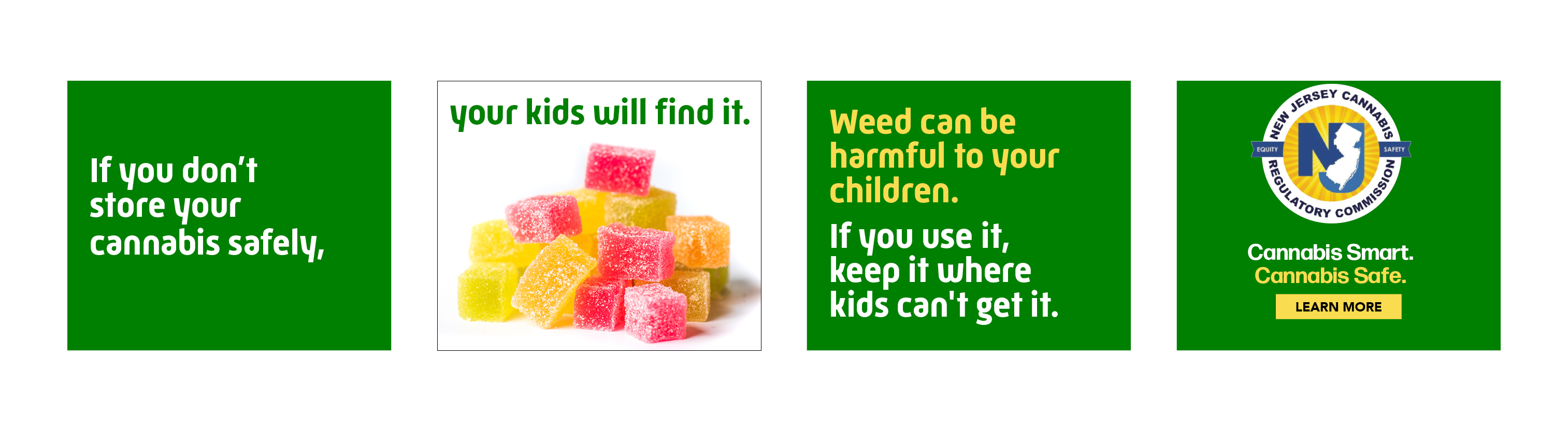
Properly storing cannabis and keeping it out of the reach of children and pets is crucial for their safety. In New Jersey, legal cannabis products are required to be packaged in resealable, child-resistant (though not child-proof) containers clearly labeled to indicate their THC content and potency. All your products should be resealed in their original packaging and kept locked away or on a high shelf if you have children in your home. When storing edibles, it's essential to keep them separate from other food items to prevent accidental ingestion.
Understanding Cannabis and Driving
Cannabis dulls our focus, distorts perception, and slows reaction times. It is dangerous and illegal to drive or operate heavy machinery while impaired by any substance, including cannabis. For your safety and the safety of others on the road, wait several hours after cannabis use before driving, or have someone else do the driving.
Teens and Cannabis
Cannabis use can have both short-term and long-term effects on children and young adults, and its impact can vary from person to person. It can affect brain development, impair learning and academic performance, increase mental health issues, and lead to increased substance use. It's crucial to be a role model for responsible cannabis use and to educate young people, including your children, about the potential risks. Initiate the conversation, encourage critical thinking, set boundaries, and emphasize that it's for those 21 and older.
Cannabis Potency and Effects
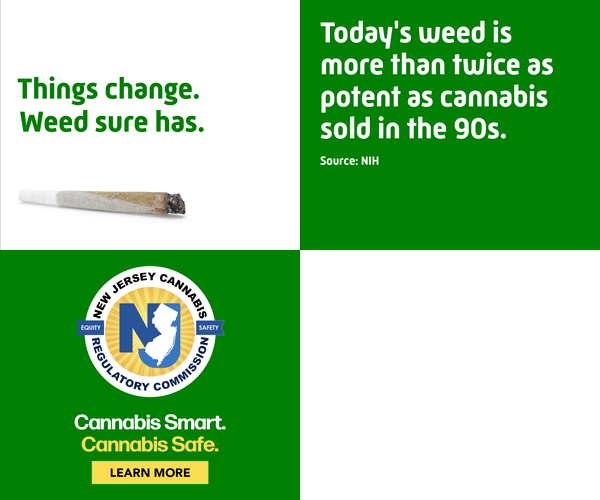
Cannabis comes in various forms and potencies, which affects everyone differently. Legal cannabis products in New Jersey adhere to stringent safety standards, ensuring thorough testing, accurate labeling, and secure packaging. Products are carefully monitored "from seed to sale" to help guarantee safety.
The effects of cannabis can vary widely, even for the same individual. The effects of a specific strain of cannabis may differ depending on whether you have eaten, consumed alcohol, or taken medication. Many factors can influence how cannabis is processed in your body and how it affects you mentally and physically. The best approach when trying any new cannabis products, or returning to cannabis after a break, is to buy from legal sources where ingredients, dosage, and terpenes are clearly stated on the packaging, and start with a low dosage. Remember THC effects may take a while to start and may linger for several hours, so be patient to understand the full effects of each product on your body.
Cannabis and Prescription Medication
While there is need for much more research into the medical applicability of cannabis and cannabis products, there is evidence that cannabis can be a beneficial part of the treatment of amyotrophic lateral sclerosis (ALS), cancer, chronic pain, glaucoma, inflammatory bowel diseases - including Crohn’s - migraine, Multiple sclerosis (MS) and more.
For your safety – no matter what health condition you may be taking prescription medication for - discuss your cannabis use with your healthcare provider. Cannabis can interact with your prescription medications in unexpected and harmful ways, potentially increasing side effects or reducing effectiveness.
Cannabis and Pregnancy

Pregnancy and cannabis is another area where more research is needed, but the medical community strongly advises against using cannabis products while pregnant, planning to become pregnant, or breastfeeding. Research suggests that even minimal use can be harmful to the baby's health. The chemicals in cannabis, especially tetrahydrocannabinol (THC), can pass through the placenta and affect the baby, leading to pregnancy complications. Using THC during pregnancy or while breastfeeding also increases the likelihood of anemia for the parent, fetal growth restriction, low birth weight, long-term brain development issues, premature birth, stillbirth, and developmental problems in the baby's brain. Stop cannabis use in all forms if you are pregnant, nursing, or trying to get pregnant.
Responsible, adult-use of cannabis can have positive effects for both medicinal purposes and recreationally. Purchase legal, safe products. Prioritize safety. By practicing these safety measures, you can enjoy the benefits of cannabis while minimizing risks.
DISCLAIMER
The information presented in this blog post is for informational purposes only and should not be used as a substitute for professional medical advice, diagnosis, or treatment. Seek advice from your physician or other qualified healthcare provider if you have any questions about a medical condition or incorporating cannabis into your treatment. Do not ignore professional medical advice or delay seeking it due to anything you may have read on this website.
Previous Blog Posts

Legit vs. Shady: How to spot a legal cannabis dispensary in New Jersey
04/27/2026
New Jersey has a regulated cannabis market with more than 300 licensed dispensaries across the state. In 2025, the NJ cannabis industry generated more than $1.16 billion in sales and $67.5 million in sales tax. With any new and lucrative industry, unlicensed operators try to cash in. Illegal marijuana isn’t just a legal risk for the business operators; it can also be dangerous for consumers. Unregulated products skip the safety testing, labeling requirements, and warnings that New Jersey law requires, and the shops don't have the guardrails in place to protect vulnerable populations like kids, teens, and young adults from gaining access to these products. Is legal cannabis on your shopping list? Here's how to spot a state-licensed cannabis dispensary:
Five years of regulation, responsibility, and growth
04/2/2026
As we approach the New Jersey Cannabis Regulatory Commission’s fifth anniversary, I’ve been reflecting on what it means to build two things at once: a new government agency and a new regulated industry. Neither comes with a roadmap. Both require patience, clarity of purpose, and the willingness to make difficult decisions in real time. In five short years, the Commission has significantly expanded access to medicinal cannabis and launched the adult-use market, which to date has generated approximately $4 billion in sales. But our success cannot be measured solely by speed; it must be measured by whether we built an industry grounded in equity, accountability, and meaningful opportunity. From the beginning, our work has been guided by a set of core principles that continue to shape every decision we make.
How Terpenes Affect Your Cannabis Experience
03/24/2026
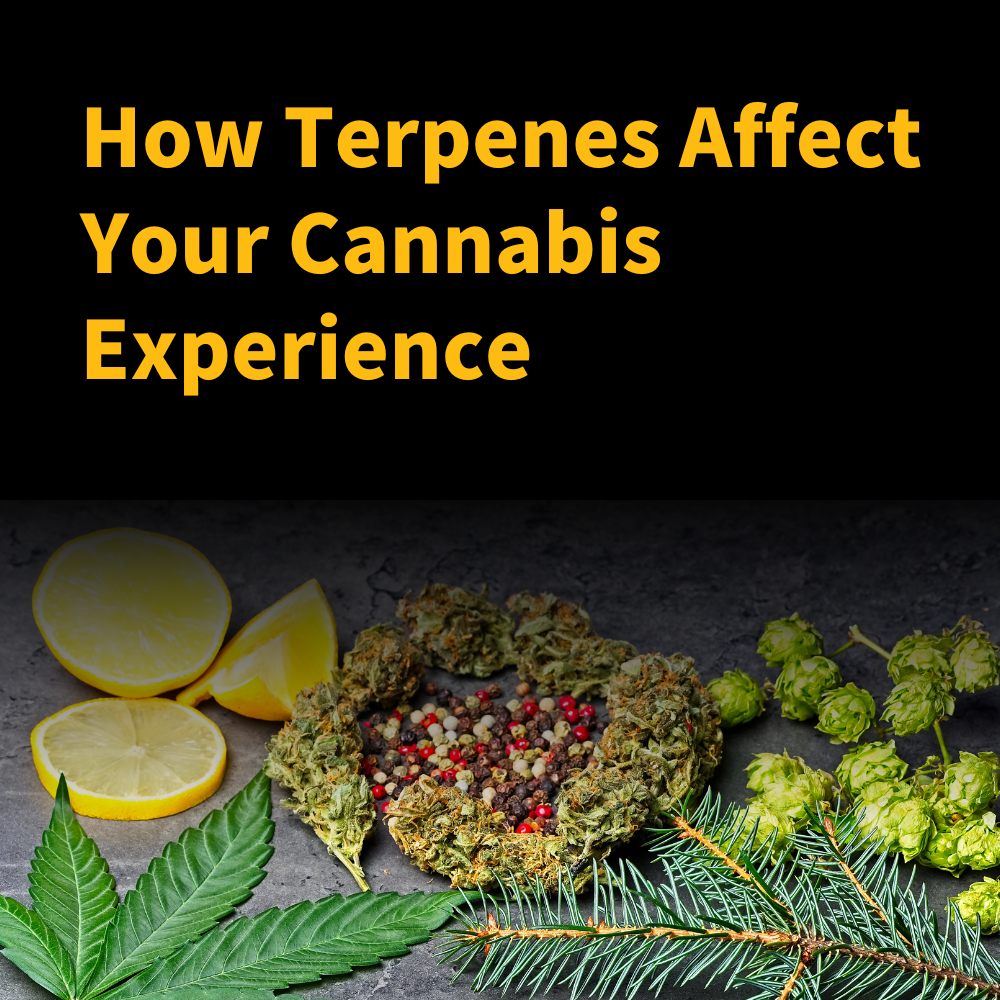
Terpenes are aromatic compounds found in plants, including cannabis. They give plants their characteristic scents, help protect them from mold, fungus and other pathogens, and play a crucial role in modulating cannabis' psychoactive effects. For example, two strains with identical THC percentages can feel completely different, one may leave you sedated and the other may leave you energized. More than a hundred terpenes exist in cannabis, each with its unique aroma and potential therapeutic benefits. Terpenes are essential for shaping the plant’s impact on the human body and mind.